MARK TWAIN NATIONAL FOREST, Mo. -- 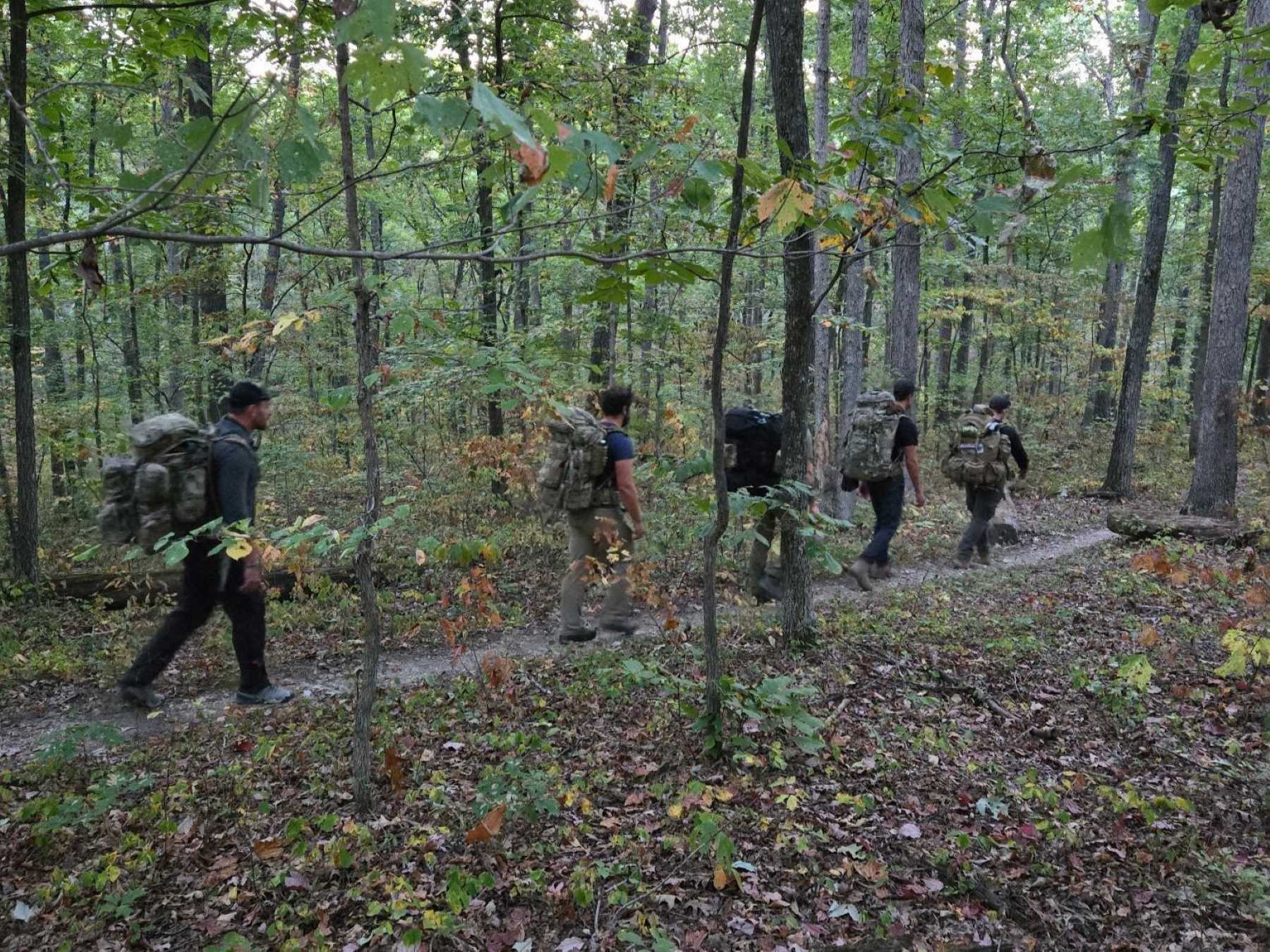 A six-member Special Warfare team from the 284th Air Support Operations Squadron tested their skills against the demanding elements and rugged terrain during a 72-hour mountaineering sustainment exercise, held Sept. 16-19, 2025, in Mark Twain National Forest, Missouri. The training validated the team's austere planning and survivability skills in a remote environment.
Tasked with navigating more than 62 miles in 72 hours, Tactical Air Control Party members carried rucksacks weighing over 60 pounds while moving through the national forest. Daily routes averaging more than 20 miles, took the team across mountains, through deep valleys and dense wilderness.
"The goal was to test our ability to operate independently and effectively in a remote environment, relying on our skills to sustain ourselves for an extended period," said Tech. Sgt. Clayton Jones, TACP C2 program manager for the 284th ASOS. "This TDY allowed us to thoroughly assess the effectiveness and durability of our equipment, ensuring our TACPs are equipped with the best tools for the job."
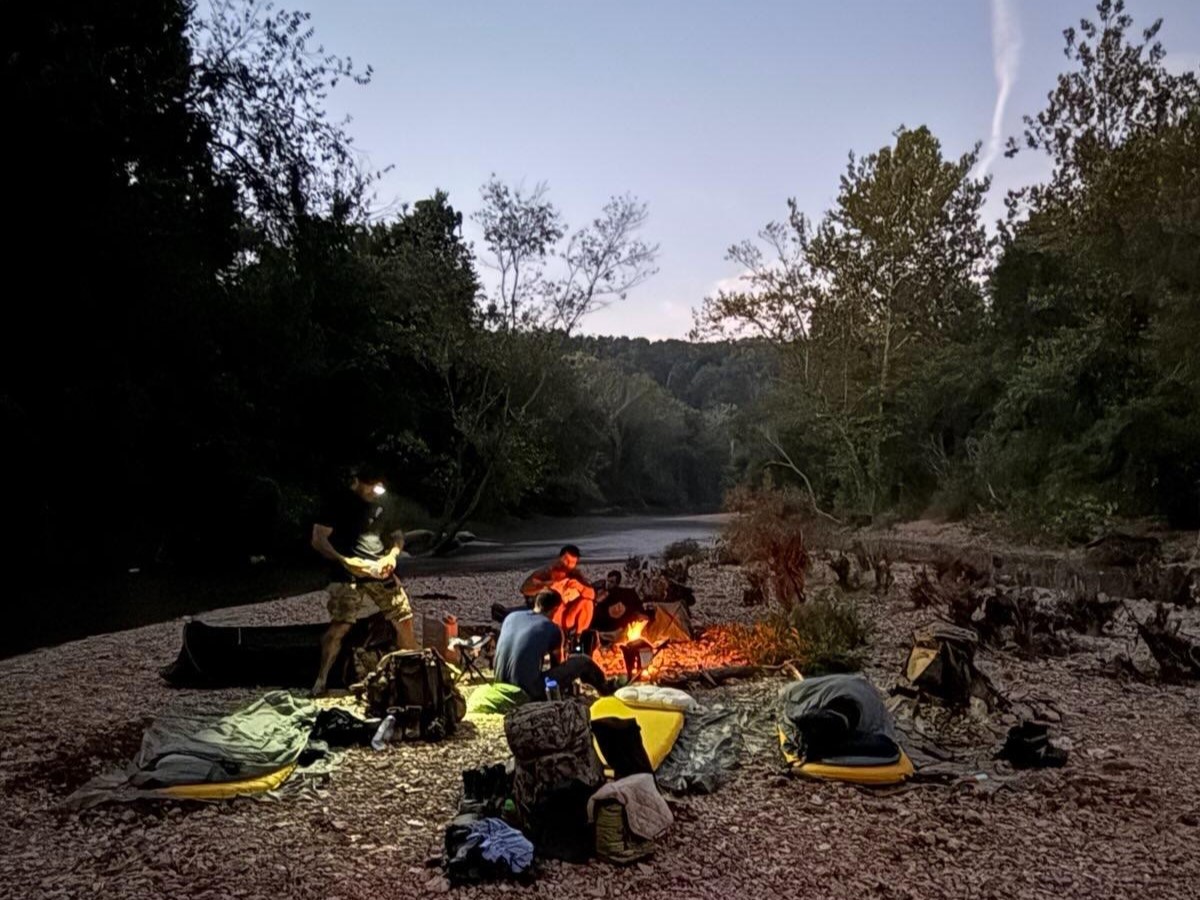
To supplement limited supplies, the team used foraging skills to procure edible nuts, fruits, and fish. Members also conducted map reconnaissance to identify fresh water sources along their routes, employing purification methods ranging from iodine tablets to Mountain Safety Research water filtration systems.
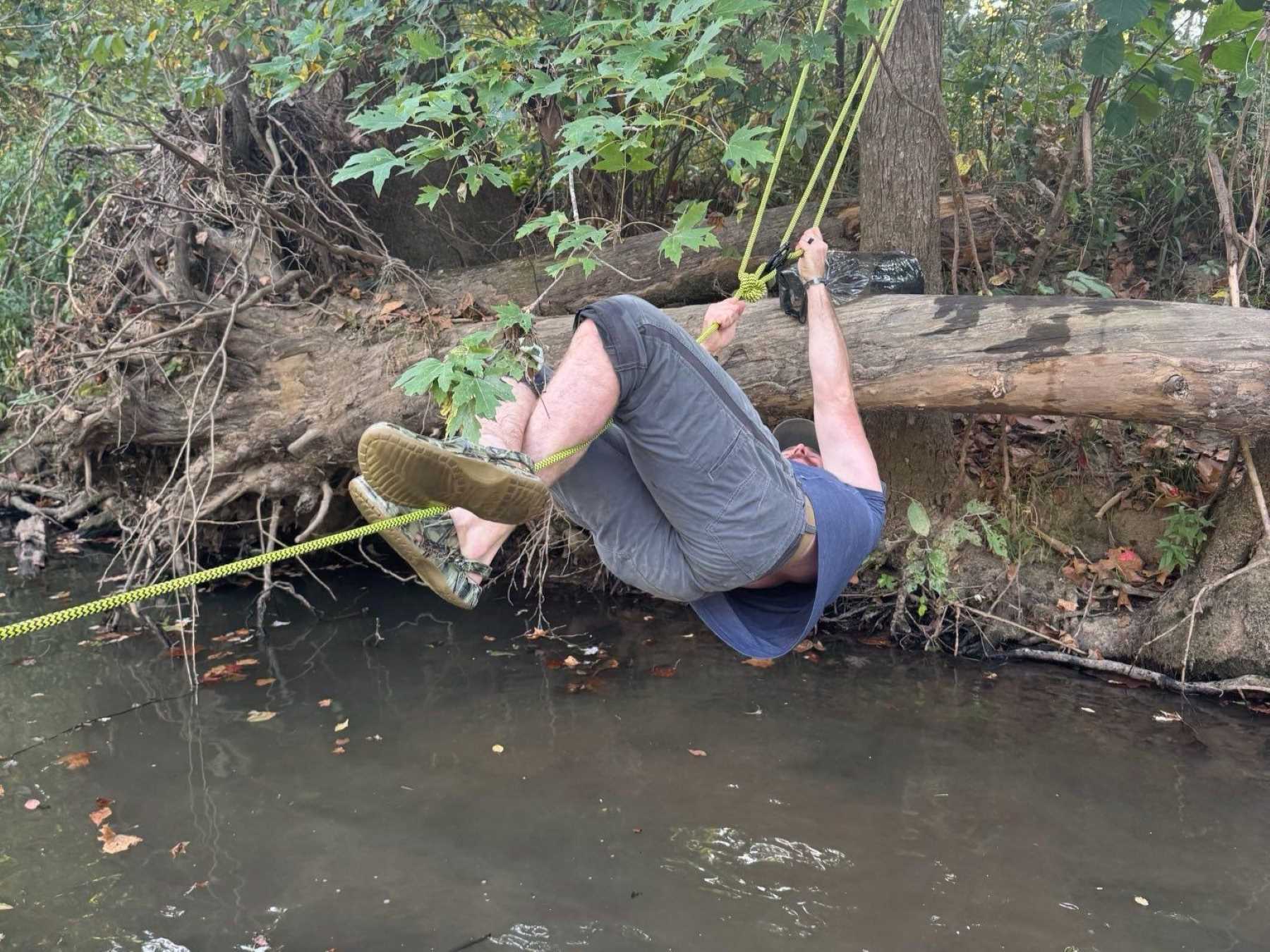
The team faced a significant challenge during a 40-foot river crossing, which required construction of a one-rope bridge. “We utilized techniques I learned from my time at the Jungle Operations Training Course to get the team across,” said Jones.
Capt. Nicholas Anderson, special warfare assistant director of operations, 284th ASOS, emphasized the value of the exercise in preparing his team for demanding operations.
"Overall, we introduced and executed similar objectives that I was challenged with during my time at Ranger School," Anderson stated. "This reinforced the vital skills and resilience necessary for our TACPs. It proved that we can adapt, overcome, and successfully execute our mission, even in the most demanding environments."