HOME  |  ABOUT US   |   NEWS & UPDATES   |   CAREERS & BENEFITS   |   CONTACT US   |   REFERENCES


184th Wing Guidance on Political Activities, Activism, and Contentious Language


When it comes to political activities, activism, and public statements, whether in person or online, there are a host of rules/regulations all military members must abide by. No matter if personnel are on-duty or off-duty, failure to abide by the established guidance may result in adverse action(s).

Many people have questions about what military members may do, and what they are prohibited from doing. While this will not be all inclusive of all rules, there are several things to highlight:


DoDD 1344.10, Political Activities by Members of the Armed Forces


Policy: It is DoD policy to encourage members of the Armed Forces (hereafter referred to as “members”) (including members on active duty, members of the Reserve Components not on active duty, members of the National Guard even when in a non-Federal status, and retired members) to carry out the obligations of citizenship. In keeping with the traditional concept that members on active duty should not engage in partisan political activity, and that members not on active duty should avoid inferences that their political activities imply or appear to imply official sponsorship, approval, or endorsement . . .


DAFI 51-508, Political Activities, Free Speech and Freedom of Assembly


Note: Failure to obey paragraphs 2.5.1.2, 2.6.3, 2.6.4.1, 3.3, 3.4.1.3, and 3.4.3.1-3.4.3.2 of this instruction by uniformed members of RegAF, USSF, AFR on active duty or inactive duty for training, and ANG in Title 10 status, constitutes a violation of Article 92 of the Uniform Code of Military Justice (UCMJ). ANG members in Title 32 status performing full-time National Guard duty or inactive duty for training who violate the mandatory provisions of this instruction, may be held accountable through similar provisions of their respective state military codes.


2.9. DAF Military Members on Active Duty for 30 Days or Less. In addition to complying with all other mandatory provisions herein regarding prescribed and proscribed actions for active duty military members, members on active duty for less than 30 days will:

2.9.1. Give full time and attention to performing military duties during prescribed duty hours. (T-0)

2.9.2. Avoid any outside political activities that may be prejudicial to performing military duties or inconsistent with the accepted customs and traditions of the Armed Forces. (T-0)

2.9.3. Refrain from participating in any political activity while in military uniform and from using government facilities for political activities. (T-0)


Kansas Code of Military Justice (KCMJ)


48-3013. (KCMJ Art. 88) Contempt toward officials. Any person subject to this code who uses contemptuous words against the president, the vice president, congress, the secretary of defense, the secretary of a military department, the secretary of homeland security, the governor or the governor of any other state, the legislature or the legislature of any other state, territory, commonwealth or possession in which that person may be serving, shall be punished as a commanding officer may direct.


Key take-aways: military members are prohibited from engaging in political activities in uniform (this has happened recently with members of another service), and there are punitive regulations that may apply in those circumstances. Additionally, members of the Kansas ANG may not use contemptuous language about public officials. This includes time where you are off-duty and also includes social media.


Any questions should be directed to the 184th Wing Legal Office.

Comm: 316-759-7034; DSN: 743-7034


The History of the 184th Wing
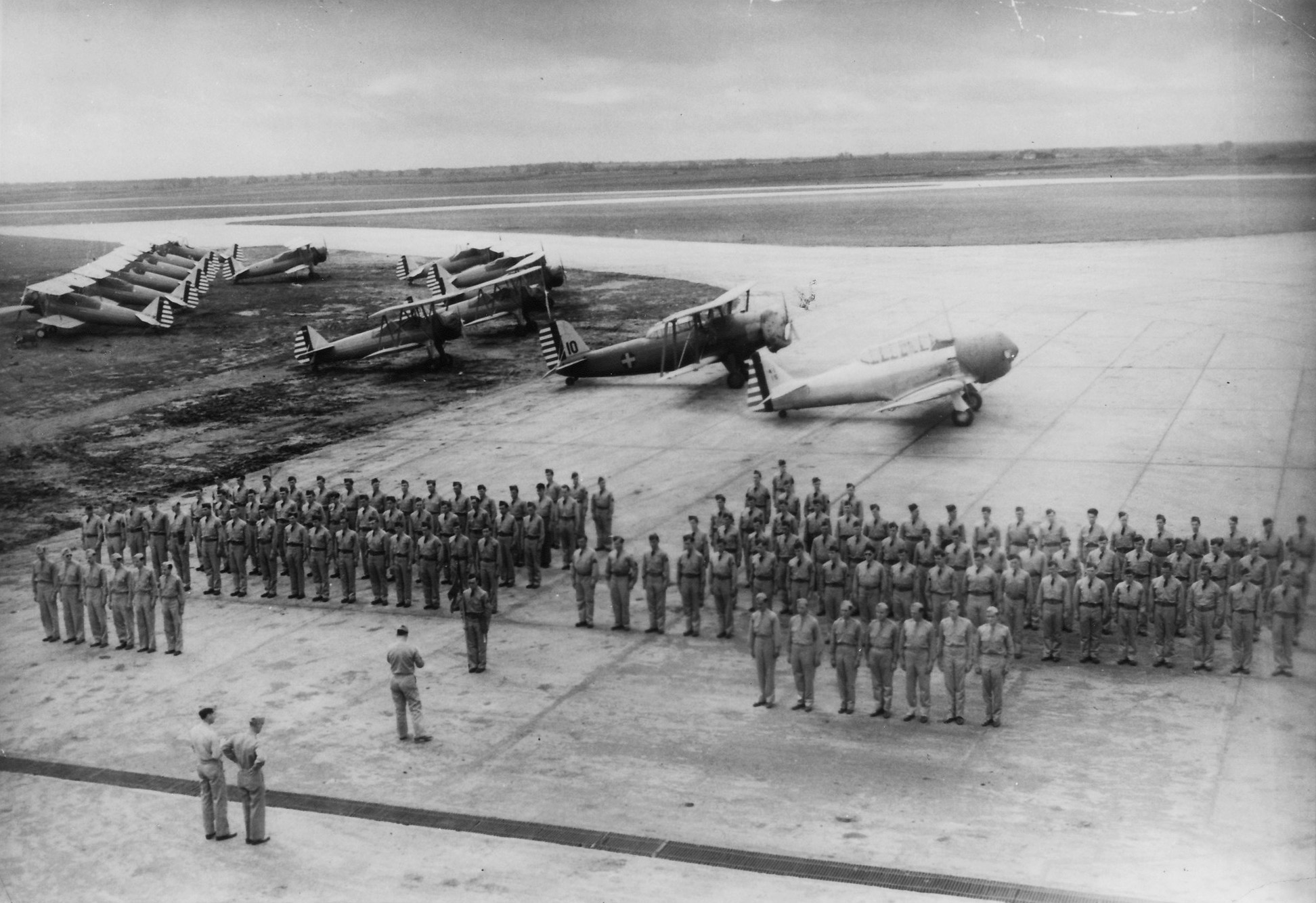
 

The 184th Wing began in August of 1941 and was the last Kansas National Guard unit to be organized before World War II. The unit originated as the 127th Observation Squadron with Lt. Paul Flanary as its commander. The unit became known as the “Flying Jayhawks” in honor of its Kansas heritage.

In November, 1944, the squadron was called to its first overseas combat role from Kalaikunda Air Base, India. From there they supported the British Army during the Burma offensive and the invasion of Rangoon in 1945. Following the victory in the Pacific, the unit was deactivated in October 1945.

The unit reorganized in September 1946, and was redesignated the 127th Fighter Squadron with the F-51 “Mustang” as its main aircraft. The unit quickly grew to 250 Guardsmen including two full-time personnel. The unit would subsequently fly fighters for the next 48 years and serve all over the world including two combat tours, one in France during the Korean Conflict and one in Korea during the Vietnam War.

In October 1962, the unit was converted to the 184th Tactical Fighter Group, making room for new squadrons and 160 more personnel. The 127th Tactical Fighter Squadron then became the flying organization assigned to the group.

In March 1971, the unit was redesignated as the 184th Tactical Fighter Training Group. The new mission was to conduct combat aircrew academic and flight training in the tactics, techniques and operations of fighter aircraft and associated equipment. The group carried out this mission until July 1994, when the 184th Bomb Group became the first unit in the Air National Guard to fly B-1B Lancers.
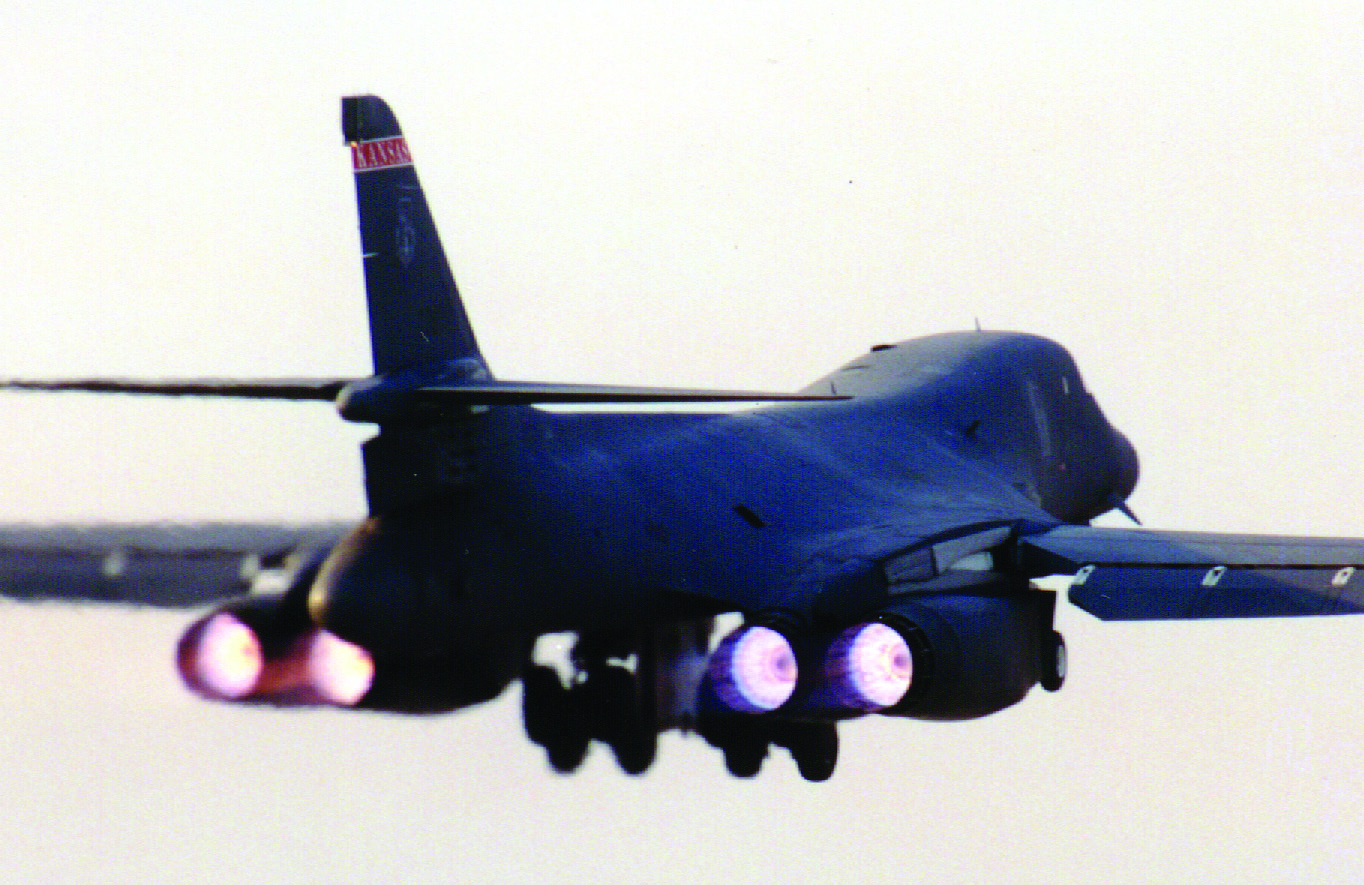


The following year, in 1995, the unit expanded from a group to a wing and was known as the 184th Bomb Wing. The new mission came with many changes as the wing was no longer a training unit. It became completely operational and fully deployable. Readiness was the primary focus of the wing during a time when rapid global strikes were expected anytime, anywhere.

In June 2001, the Air Force announced the “drawdown” of the B-1B fleet and removal of all bombers from the Air National Guard. With the future of the unit in doubt, the wing’s leadership, along with the adjutant general and congressional leaders, worked with the secretary of the Air Force to solve the dilemma.

The unit’s future was secured with the announcement of the conversion from a bomb wing to the 184th Air Refueling Wing. Ten KC-135s were assigned to the unit and to avoid manning losses, the wing received new missions including cyber warfare and cyber security, as well as various other missions.

In 2007, the unit was informed that it would lose its flying mission altogether and reorganize as the 184th Intelligence Wing. The unit increased its presence in cyber combat and obtained other ground-based combat support missions including command and control operations, munitions storage and air support operations. Domestic operations and support to state emergency services became one of the main focuses of the unit. The current manpower strength is approximately 1,300 personnel.

With the loss of its aircraft, the unit changed its name to the “Fighting Jayhawks,” representing the same dedication to the state it serves while providing warfighter capabilities abroad.

Although the unit was named the 184th Intelligence Wing, the word "intelligence" only scratched the surface of the diverse mission sets assigned to the wing. To avoid over-representing one section of the wing, the unit was officially renamed the 184th Wing on Aug. 1, 2019.
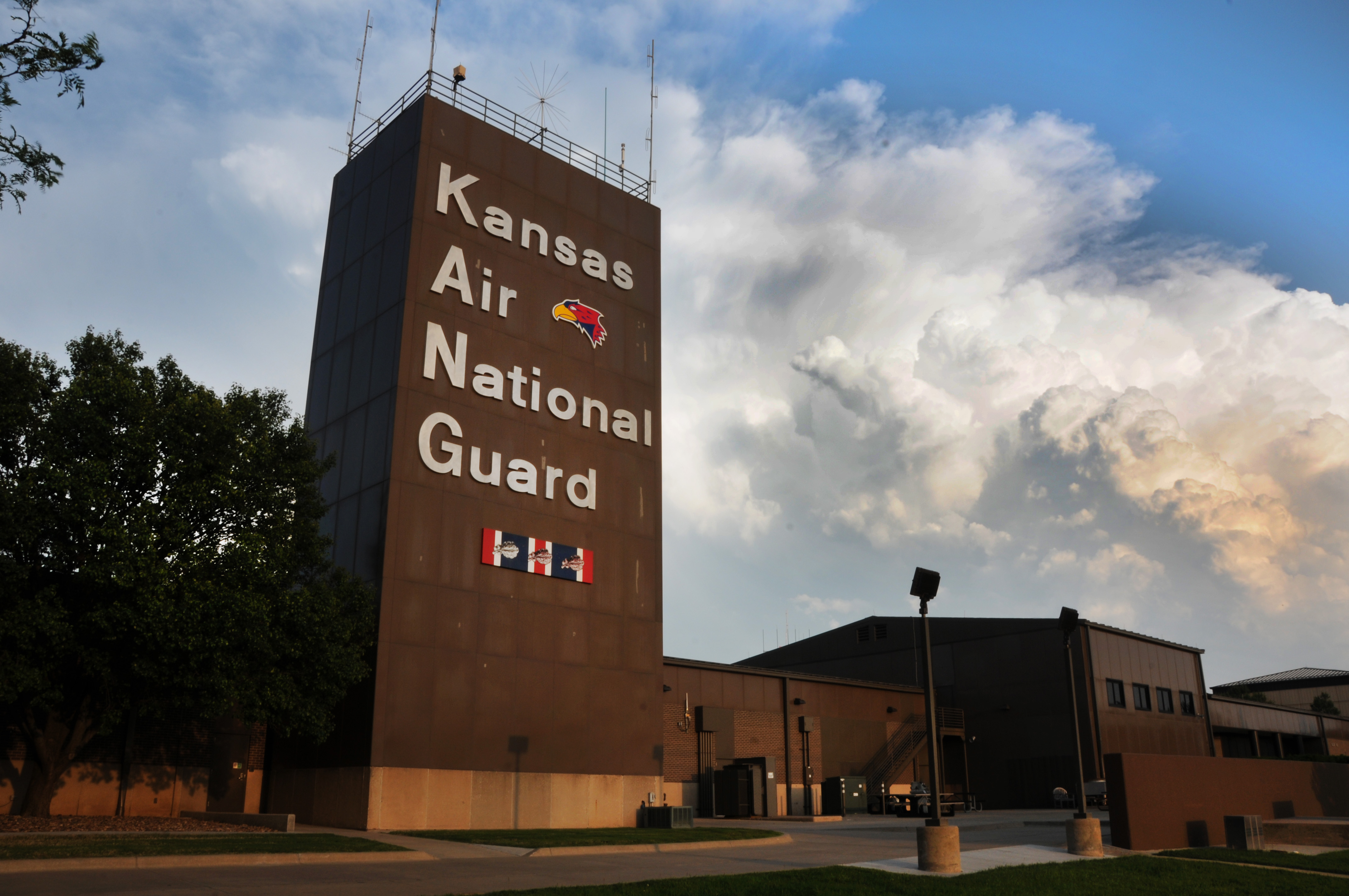


Click here to learn more about the 184th Wing


Click here to learn more about the Missions of the 184th Wing


Local Information

Recruiting - 316-759-7424


Mailing Address:

52960 Jayhawk Dr.
McConnell AFB, KS 67221


Wichita Area Code – 316
Comm. Prefix – 759-XXXX
DSN Prefix – 743-XXXX
McConnell Operator – 6100
Weather Line – 1-800-892-526

Essential Numbers

184th Command Post – 759-7070
184th Force Support Sq. – 759-7431
184th Comptroller Flight – 759-7068
184th Sec. Forces Sq. – 759-7445
184th Medical Group - 759-7380
184th Public Affairs – 759-7561
Family Support Office – 759-7092
Director of Psych. Health – 759-8901
Sexual Assault Helpline – 759-7011
22nd Medical Group – 759-6300

Update your ID - 759-7431